
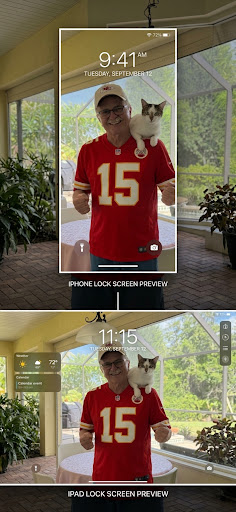

Revisions on my mystery novel are going slow but I’m getting there. Everything after brain surgery is slow as my mind reorganizes. This happens. It’s normal after brain surgery. I enjoy it. My mind is in a phase of particular neuroplasticity and by repetition I can perhaps influence how it rearranges the furniture in my head. Giving it a try, anyway.
I used to be a writer who wanted to get to the end. Sometimes I had fleeting thoughts of things in the manuscript that should be fixed, but I was too impatient to go over the draft one more time. Brain surgery has changed my mind, and I hope this more careful way of writing sticks.
Normal Pressure Hydrocephalus, or NPH, is a rare curable form of dementia. It works by a neurosurgeon and his team implanting a shunt in the brain that siphons off extra fluid in the brain. As the body ages and the brain shrinks, ventricles widen and, in about 3% of folks in their 60s, those ventricles overfill with cerebral spinal fluid. It basically floods your brain, and you don’t really notice, until you do.
Here’s what haunts me about NPH, why I had to write this blog post, and even put it here on my first Substack ever: 800,000 older people in the USA have NPH and are believed to be either undiagnosed or misdiagnosed. And that’s tragic.
What causes NPH was my question when diagnosed. Nobody knows. They call this not knowing “idiopathic.” After five years of random falling and failing memory, I felt a bit pathetic and like an idiot, too. When I could think at all. The blessing in NPH is it mutes emotion as well as everything else. This muted emotion is called apathy by caregivers. But I didn’t really feel enough to feel apathetic. I’d been anxious my entire life so it was kind of a relief not to fret despite my prognosis. I was usually too fatigued, really, to be happy or sad, worried or anxious.
If this sounds like you or a parent or other senior you know, the diagnosis does not have to be Alzheimer’s, which is how NPH is usually misdiagnosed, or maybe just old age. The older you get, the more likely (up to 8% of 70+ population in USA) you are to have NPH. Meaning your brain tissue is not dead, it’s just soaked, and it can be fixed. This is miraculous to me.
After I had shunt surgery and got my wits back about me, I wondered again. What causes this? I knew how it happened, mechanically, but was there an inciting incident, as we fiction writers say? What caused my NPH?
Nobody in the medical community tells you anything, really. They will ask if you’ve had traumatic brain injury and you may describe the car accidents you’ve been in and they may even see evidence of “very old” TBIs on scans. My car accidents were at age 19 and 30. I’m now 71. And was severely mentally impaired up until my recent surgery. I did not connect the dots. There were so many but only a few were needed to give me my story.
What happened to me was my brain became very slightly impaired. Not so you’ve notice, but there was pressure on some areas of the brain concerned with memory and balance and other things. It was so very slight it felt normal for fifty years or so. But then at about age 65, when coincidentally my aging brain began to shrink, leaving valleys in my ventricles, that promptly filled with cerebral spinal fluid. Overfilled way past normal in the areas that oversee balance and memory.
This mimics aging in general and several types of dementia in particular. Most doctors don’t diagnose, or misdiagnose, NPH. 80% and upward. Brain tissue with excess fluid will eventually die. That’s what causes dementia. But if you can get the fluid exactly right before it becomes dead tissue, the lucky patient will be cured. It happened to me.
I’m not sure why more doctors don’t test for NPH. It’s a simple spinal tap. They drain fluid and if you are back to your old un-demented self the next day, that says it all. You’ve got NPH. You’re not cured. But with the implant of a shunt that keeps draining the excess fluid at a steady rate, you will get your life back. I did and so have many others.
Leave a Reply